- What's PLA straw making machine
- Why should we use PLA straw rather than PP straw?
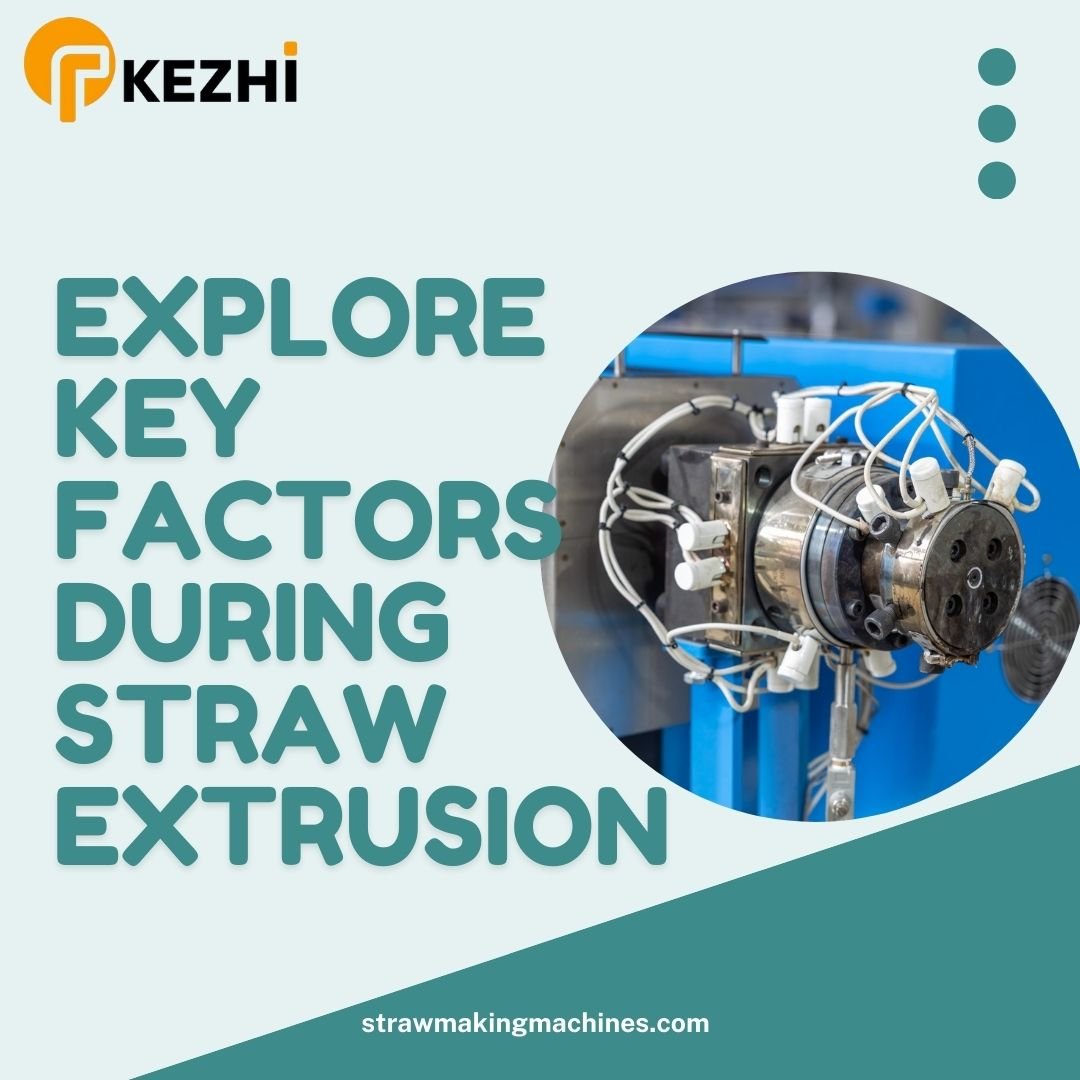
- The most common issues faced during the extrusion process
- What role does the screw diameter play in the extrusion process
- Maintenance requirements for a PLA straw making machine
- What should we consider when buying a new PLA straw making machine?
- درباره KEZHI
What’s دستگاه تولید نی نی PLA
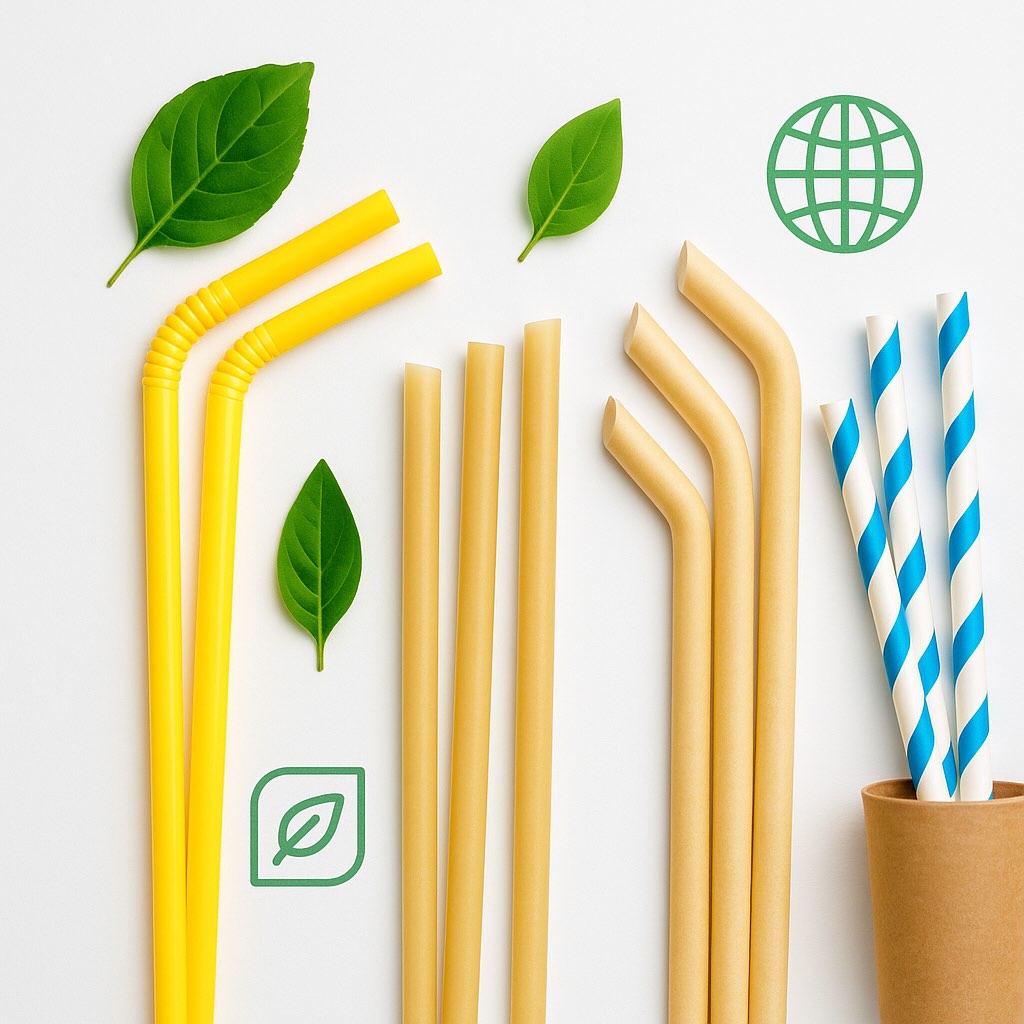
A PLA straw making machine is a specialized machine designed to make biodegradable drinking straws. PLA is a biodegradable and bioactive thermoplastic made from renewable resources such as corn starch and sugarcane. With the growing environmental concerns and regulations against single-use plastics, PLA straws have become a sustainable alternative, and PLA straw making machines are necessary for producing these eco-friendly products.
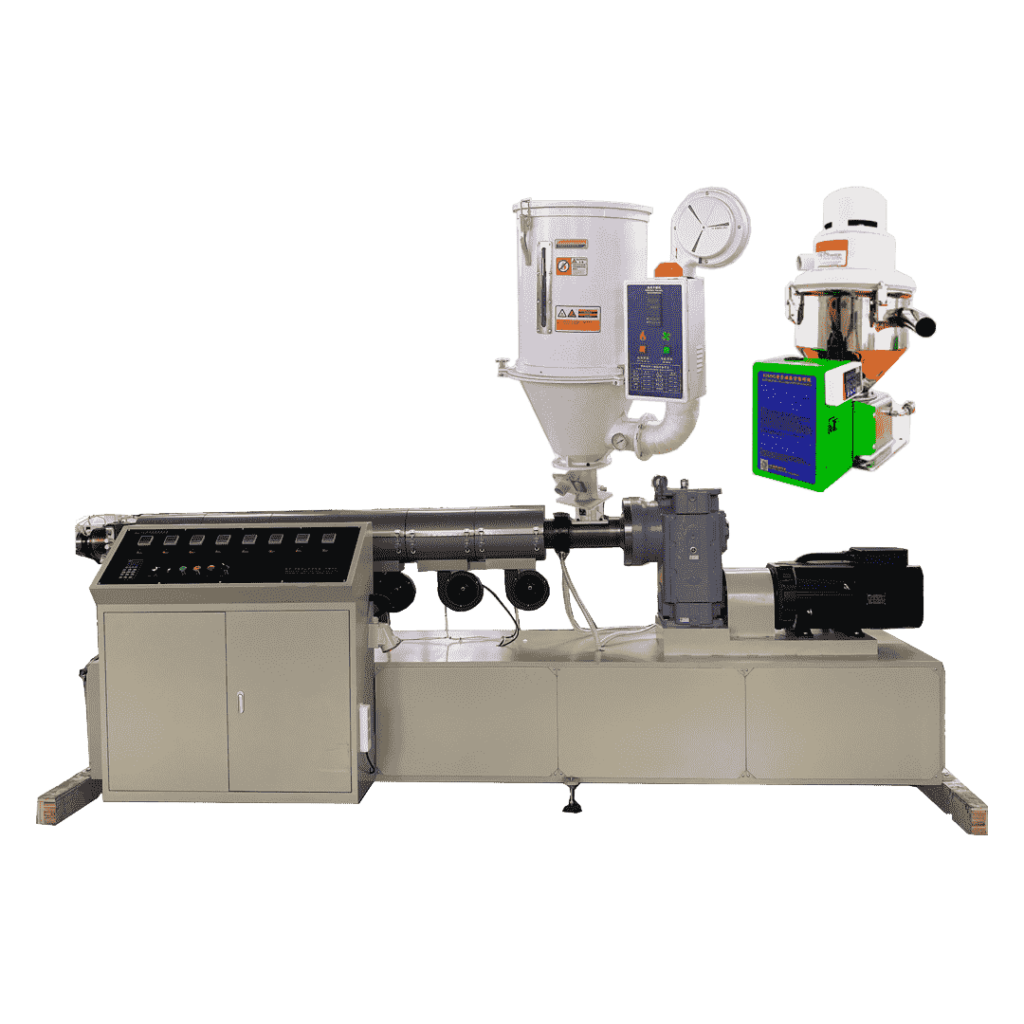

Key Components and Features
A typical PLA straw making machine is composed of several parts that work together to produce high-quality PLA straws efficiently. Here is a breakdown of the main parts and features:
Extruder unit
- Function: The extruder melts PLA pellets and pushes the molten material through a die to form a continuous tube, which will be cut into straws.
- Features: Temperature control, screw design for uniform melting, and speed regulation.
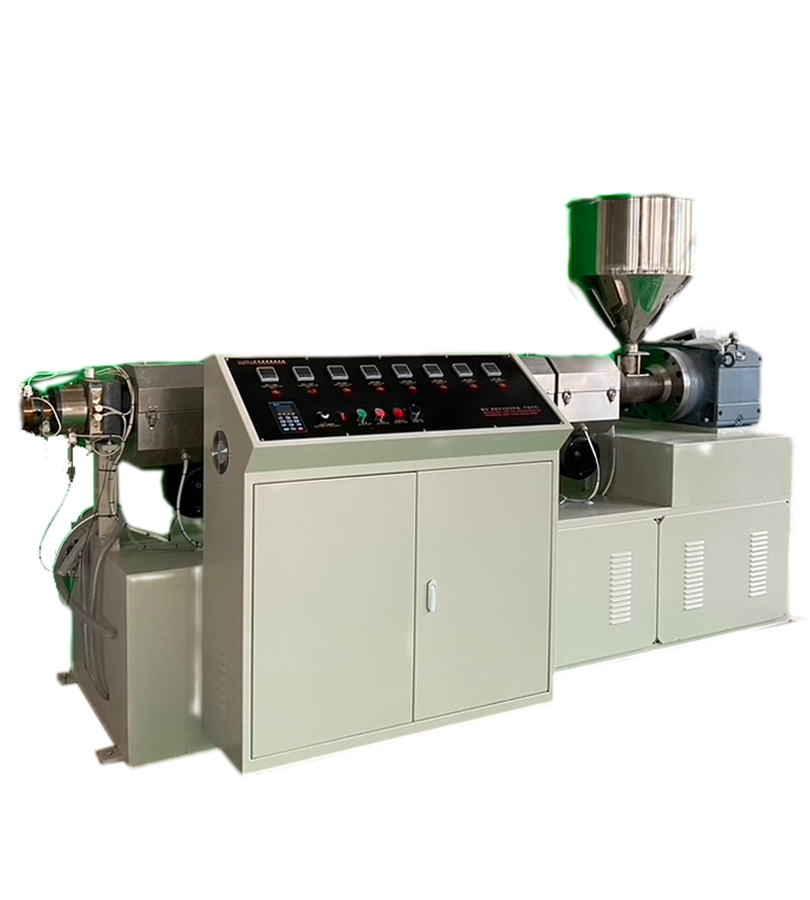
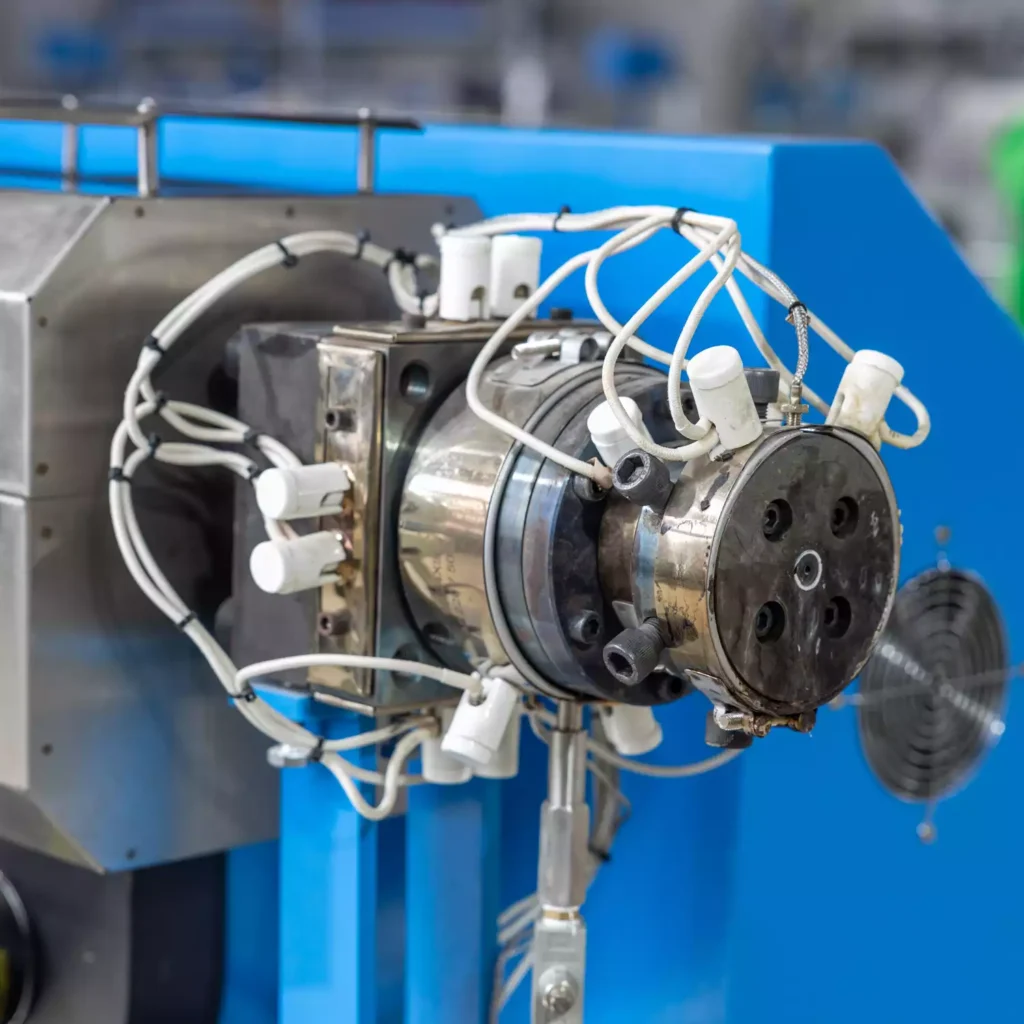
Die head
- Function: Shapes the molten PLA into a hollow tube.
- Features: Precise temperature control, interchangeable dies for different straw diameters.
Cooling System
- Function: Cools down the extruded PLA tube to solidify it.
- Features: Water cooling or air cooling systems to ensure proper solidification and shape retention.


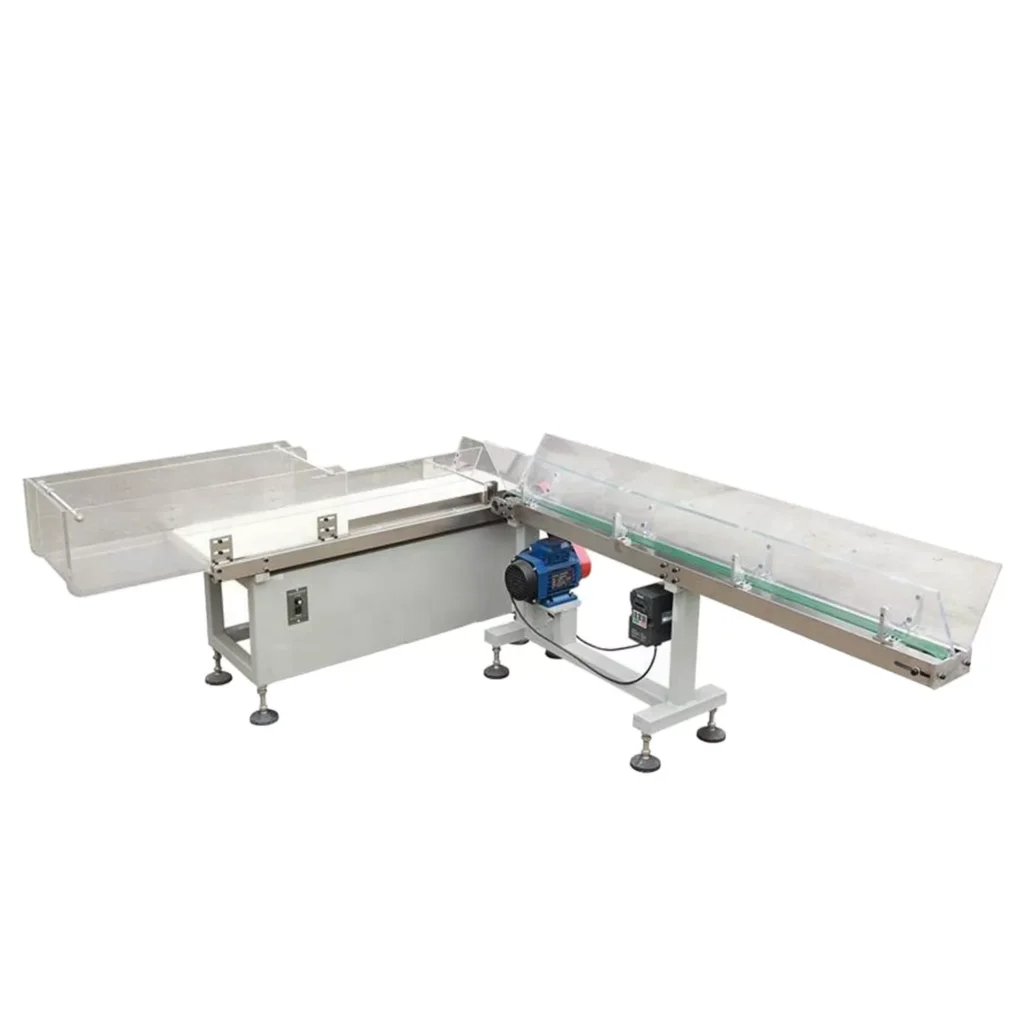
Traction & cutting machine
- Function: Pulls the extruded and cooled tube at a constant speed to maintain uniform thickness and diameter.Cuts the continuous PLA tube into individual straws of desired length.
- Features: Adjustable speed to match the extrusion rate, ensuring consistent quality.High-speed rotary cutters or pneumatic cutters, adjustable length settings.
Straw collector
- Function: Collects the finished straws and packs them for storage or shipment.
- Features: Automated collection, counting, and packaging systems to improve efficiency.
Benefits:
- Eco-Friendly Production: Biodegradable PLA material reduces plastic pollution.
- High Efficiency: Automated processes mean high production rates and consistent quality.
- Versatility: Produce different sizes and lengths of straws with easy die and cutter adjustments.
- Quality Control: Advanced temperature and speed control systems mean precise and consistent production.
- Cost-Effective: Save money in the long run through reduced material waste and efficient operation.
Applications:
PLA straw making machines are perfect for manufacturers who want to produce eco-friendly straws for:
- Food and Beverage: Restaurants, cafes, bars.
- Retail: Supermarkets, convenience stores.
- Events: Parties, festivals, corporate events.
Working video:
Why should we use PLA straw rather than PP straw?
When thinking about whether you want to go with PLA (Polylactic Acid) straws instead of PP (Polypropylene) straws, there are several things to consider from an environmental and functional standpoint:
Environmental Benefits
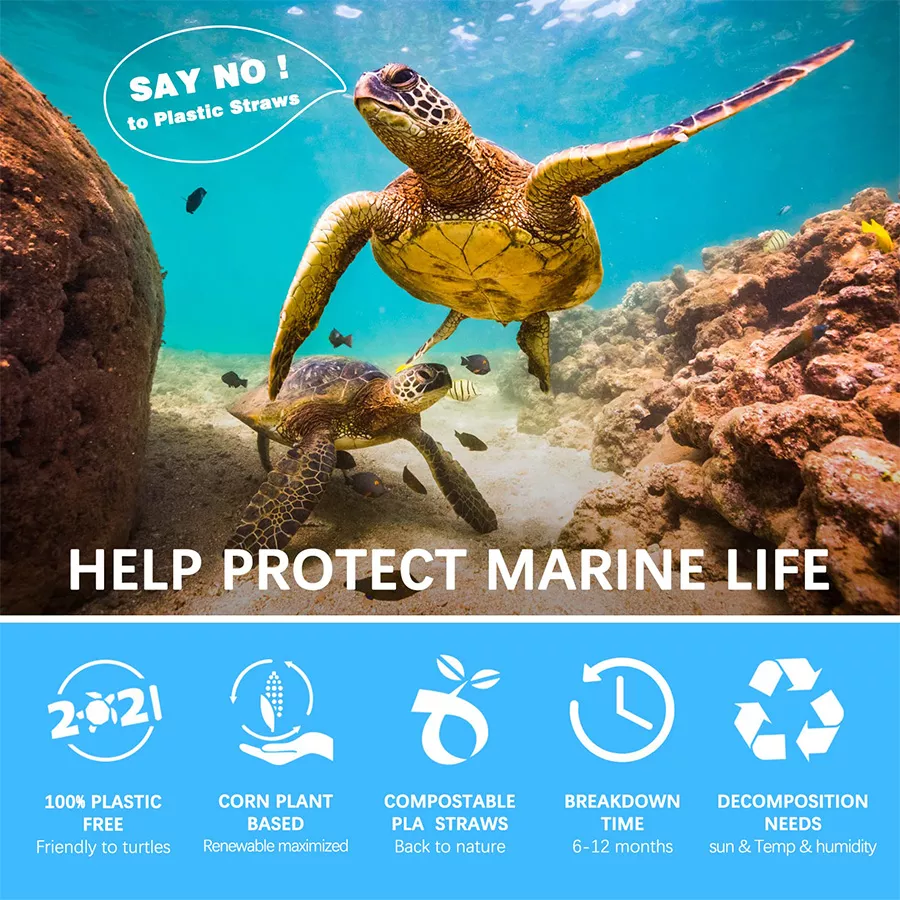
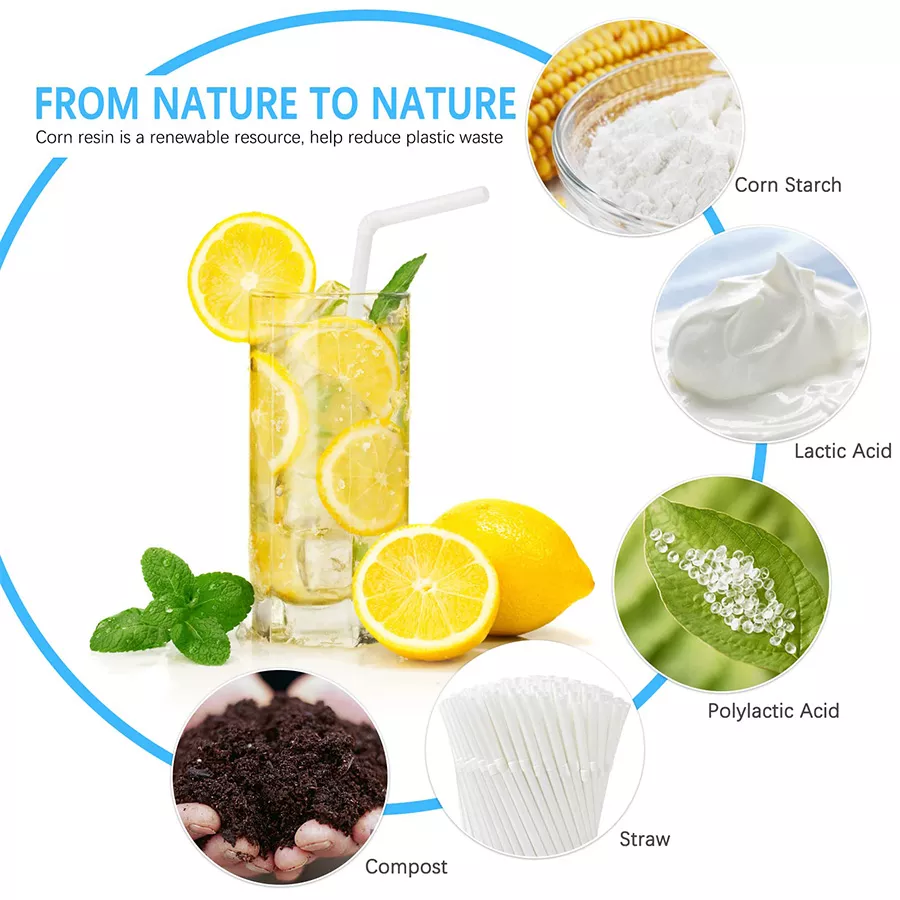
- Biodegradability: نی PLA از منابع تجدیدپذیر مانند نشاسته ذرت ساخته می شود و در شرایط کمپوست صنعتی به منظور تجزیه زیستی است. این بدان معنی است که آنها می توانند به مواد طبیعی تجزیه شوند، که در دراز مدت در مقایسه با نی های PP که تجزیه زیستی نمی شوند و صدها سال به اطراف می مانند، برای محیط زیست بهتر است.
- کاهش وابستگی به سوخت فسیلی: در ساخت PLA از سوخت های فسیلی کمتری در مقایسه با PP که از نفت به دست می آید استفاده می شود. این بدان معناست که ساخت PLA CO2 کمتری را دفع می کند زیرا PLA از گیاهانی می آید که هنگام رشد CO2 دریافت می کنند.
- کمپوست پذیری: You can compost PLA straws at industrial facilities, where they turn into good stuff for the earth without leaving bad stuff behind. You can’t do that with PP straws, which need to be recycled and often end up in landfills.
Functional Considerations
- Performance: PLA straws look and feel like regular plastic straws, so people are used to using them. They’re smooth, taste-free, and can handle hot and cold drinks just like regular plastic straws, so they’re a good choice.
- Consumer Appeal: People are more into sustainability these days, so there’s a bigger market for products that are good for the earth. Businesses that use PLA straws can attract customers who care about the environment and who want to make sustainable choices.
Challenges and Considerations
- Composting Infrastructure: The benefits of using PLA depend on having industrial composting facilities around, and not every place has them. If you can’t toss PLA straws in the right place, they won’t break down like they’re supposed to.
- Cost: PLA straws are usually more expensive than PP straws because the materials and the process to make them cost more. That’s something to think about if you’re running a business on a tight budget.
- Misconceptions: People might get confused because PLA straws look like regular plastic straws, so they might not throw them away right, and they might mess up recycling.
In general, PLA straws have a lot of good things going for them compared to PP straws, especially when it comes to breaking down and using less oil. But you get the most out of PLA straws when you have places to compost them properly and when people know how to throw them away in the right way.
The most common issues faced during the extrusion process
The extrusion process, especially when making films and other plastic stuff, runs into a few common problems that can mess up how well it works and how good the stuff turns out. Here are some of the issues that come up a lot when you’re doing extrusion:
1. Raw Material Issues:
Impurities and Moisture: If there’s a lot of junk or water in the plastic stuff you’re using, the molding process won’t work right and the stuff you make won’t be good. You’ve got to clean or dry the stuff before you use it so it’s good quality.
2. Equipment Problems:
Temperature and Modulation: If you’ve got the wrong temperature settings, stuff is clogged up, or the end of the extruder is worn out, you’ll get stuff that doesn’t mold right. You’ve got to keep the equipment in good shape by cleaning it and adjusting the settings.
Die Issues: If the end of the extruder is messed up or the design is wrong, you’ll see flow marks and lines on the stuff you make. You’ve got to clean and take care of the end of the extruder so you don’t have these problems.
3. Operational Challenges:
Operator Knowledge: If the people using the extruder don’t know what they’re doing, you won’t get good stuff. You’ve got to teach them how to use the machine and what they need to do to make good stuff.
Environmental Factors: If it’s too hot or too humid where you’re working, the stuff you make won’t turn out right. You’ve got to control the temperature and the humidity to make sure you get good stuff every time.
4. Post-Processing Issues:
Handling and Maintenance: If the people working the machines that cut and stretch the stuff you make don’t do it right, the stuff you make won’t be good quality. You have to check the equipment and teach the people how to use it right.
5. Extrusion Defects:
Surface Quality and Black Specks: If the stuff you’re using doesn’t flow right or gets dirty, you’ll see problems on the surface of the stuff you make. To fix this, you have to make the extrusion process better and keep the equipment clean.
Melt Fracture and Gel Formation: If the stuff you’re using gets pushed through the machine too fast, or you don’t filter it enough, you’ll see problems on the surface of the stuff you make. This can make the stuff you make look bad and not work right.
If you deal with these problems by handling stuff right, cleaning the equipment, teaching the people how to use it, and controlling the environment, you can make the extrusion process work better and the things you make will be better quality.
What role does the screw diameter play in the extrusion process
The size of the screw in the extrusion process is really important because it decides how much stuff you can make, how much pressure the machine puts on the stuff, and how well the extruder works. Here are some things to think about with screw size and how it affects the extrusion process:
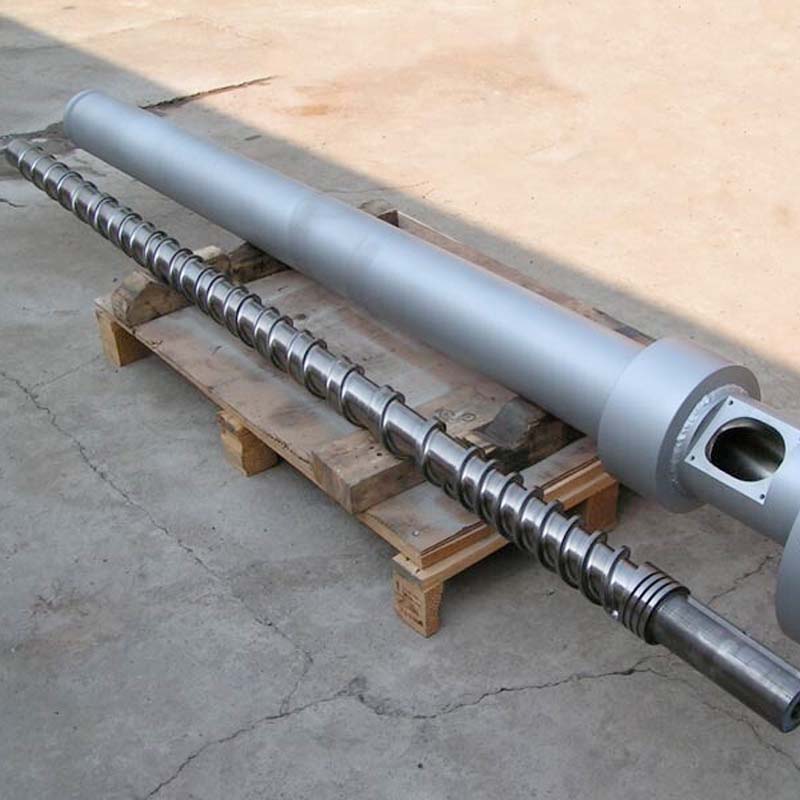
- How Much Stuff You Can Make: The size of the screw decides how much stuff you can make with the extruder. Bigger screws make more stuff because they can hold more material. This is really important for when you need to make a lot of stuff at once.
- Pressure and Shear: The size of the screw decides how much pressure and shear force the machine puts on the stuff. A bigger screw gives you more surface area to push the stuff together, which makes the stuff melt and mix together better. But, bigger screws need more power to make the same pressure and shear as smaller screws.
- How You Make Stuff: Different materials need different screw sizes to work right. You have to pick the right screw size, along with its design and pitch, so the material melts and mixes right.
- How Fast the Screw Turns: The size of the screw decides how fast the outside of the screw moves when the screw turns (RPM). Smaller screws need to turn faster to move the same speed as bigger screws, which decides how good the extrusion is and how much energy you use.
- How You Make the Screw: Picking the right size screw is part of how you design the whole extruder. You have to think about things like how long the screw is compared to how wide it is, how much you squeeze the stuff in the screw, and what the screw looks like. All these things together decide if the extruder can work with the stuff you’re using, and if you get the right stuff when you’re done.
In general, the size of the screw is a really important thing to think about when you’re designing an extrusion system. It decides how well the extruder works, how much stuff you can make, and how good the stuff you make is.
Maintenance requirements for a PLA straw making machine
he key to making sure a PLA straw making machine keeps working right and lasts a long time is making sure you take good care of it. Here are some of the things you need to do:
- Keeping It Greased Up: You’ve got to put some grease on the parts that move around to make sure they work right. It’s a good idea to grease it up every six months.
- Cleaning the Screw: باید پیچ را تمیز کنید تا چیزها روی آن نچسبند، که میتواند باعث خراب شدن وسایل شما و دستگاه شود. برای تمیز کردن آن از برس های خوب و پارچه های نرم استفاده کنید.
- چک کردن آن: باید هر چند وقت یکبار ماشین را چک کنید تا مطمئن شوید که برق دارد، قطعات متحرک آن چرب شده اند و هیچ چیز فرسوده نشده است. به این ترتیب می توانید زودتر مشکلات را تشخیص دهید و از خراب شدن دستگاه جلوگیری کنید.
- نگاه کردن به قطعات: قسمت های مهمی مانند اکسترودر، سیستم خنک کننده و قطعات برش را بررسی کنید تا مطمئن شوید که آنچه را که باید انجام می دهند. مطمئن شوید که چیزی گیر نکرده یا شکسته است که می تواند نحوه کار دستگاه را مختل کند.
- نگه داشتن آن درست است: Keep the temperature and the humidity right where the machine is to make sure it keeps working good and making good stuff.
- Setting It Just Right: Sometimes you have to change how the machine works to make sure it makes straws that are the right size and the same quality every time you make them.
If you do all these things to take care of the machine, you can make sure it keeps working good, you can count on it to make good straws, and it’ll keep making straws that are good for the earth.
What should we consider when buying a new PLA straw making machine?
When purchasing a new PLA straw making machine, several factors should be considered to ensure it meets your production needs and quality standards:
- ظرفیت تولید: ظرفیت تولید دستگاه را بر حسب قطعات در دقیقه و کیلوگرم در ساعت ارزیابی کنید. این به شما کمک می کند تا تعیین کنید که آیا دستگاه می تواند نیازهای تولید شما را برآورده کند یا خیر. ماشین آلات معمولاً بین 400 تا 1800 قطعه در دقیقه و خروجی اکستروژن 20 تا 100 کیلوگرم در ساعت دارند.
- سازگاری مواد: مطمئن شوید که دستگاه می تواند PLA و سایر موادی که ممکن است بخواهید استفاده کنید، مانند PHA یا PP را کنترل کند. اگر قصد دارید محصولات خود را متنوع کنید، این انعطاف پذیری مفید است.
- سفارشی سازی و ویژگی ها: به دنبال ماشین هایی باشید که گزینه های سفارشی سازی قطر، طول، رنگ و ضخامت نی را ارائه می دهند. برخی از ماشینها میتوانند نیهای تکرنگ، دو رنگ و سهرنگ تولید کنند که مطابق با ترجیحات مختلف مشتریان است.
- مشخصات ماشین: مشخصات فنی مانند قطر پیچ، نسبت L/D، توان مورد نیاز و ابعاد دستگاه را در نظر بگیرید. این عوامل بر کارایی دستگاه و کیفیت نی های تولید شده تأثیر می گذارد.
- سیستم های خنک کننده و برش: کارایی مخزن آب خنک کننده و دقت دستگاه برش را ارزیابی کنید، زیرا این موارد برای حفظ شکل نی و اطمینان از طول ثابت بسیار مهم هستند.
- سهولت استفاده و نگهداری: ماشینی را انتخاب کنید که کارکرد و نگهداری آن آسان باشد. ویژگیهایی مانند کنترلکنندههای حرارتی خودکار و رابطهای کاربرپسند میتوانند کار را سادهتر کنند. الزامات نگهداری منظم مانند روغن کاری و تمیز کردن نیز باید در نظر گرفته شود.
- گارانتی و پشتیبانی: دوره گارانتی و در دسترس بودن پشتیبانی پس از فروش شامل قطعات یدکی و کمک فنی را بررسی کنید. یک سیستم پشتیبانی خوب می تواند به حل سریع مشکلات و به حداقل رساندن خرابی کمک کند.
- تاثیر زیست محیطی: مزایای زیست محیطی ماشین را در نظر بگیرید، مانند توانایی آن در تولید نی های زیست تخریب پذیر و کمپوست پذیر، که به تلاش های پایدار کمک می کند.
با ارزیابی دقیق این عوامل، می توانید یک دستگاه تولید نی PLA را انتخاب کنید که با اهداف تجاری و الزامات تولید شما هماهنگ باشد.
درباره KEZHI
KEZHl یک تولید کننده پیشرو است که متخصص در طراحی و تولید ماشین آلات تولید نی با کیفیت بالا، از جمله خطوط تولید نی کاغذی، پلاستیکی، زیست تخریب پذیر و کاغذی است. با R قوی&تیم D و امکانات تولیدی پیشرفته، KEZHl متعهد به ارائه راه حل های نوآورانه، قابل اعتماد و کارآمد به مشتریان در سراسر جهان است. طیف گسترده محصولات ما، همراه با خدمات پس از فروش استثنایی و پشتیبانی فنی، ما را به عنوان شریک قابل اعتماد در صنعت تولید نی قرار می دهد. در kEZHl، ما به مشتریان خود کمک می کنیم تا با ارائه راه حل های مناسب که نیازهای خاص آنها را برآورده می کند، موفق شوند. با ما تماس بگیرید برای یافتن راه حل!