Seiring dengan semakin sadarnya kita terhadap lingkungan, masyarakat mencari pengganti plastik tradisional yang ramah lingkungan. Salah satu produk sekali pakai yang paling sering terbakar adalah sedotan. Hal ini menyebabkan diperkenalkannya sedotan PLA sebagai alternatif ramah lingkungan. Namun, apakah sedotan PLA lebih baik dibandingkan sedotan plastik? Perbandingan sedotan plastik vs. sedotan PLA secara mendetail ini akan membantu Anda memahami perbedaan, kelebihan dan kekurangan masing-masing sedotan sehingga Anda dapat mengambil keputusan yang tepat.
- Apa Itu Sedotan Plastik?
- Apa itu PLA Sedotan?
- Dampak Lingkungan: Sedotan Plastik vs. Sedotan PLA
- Daya Tahan dan Fungsi: Sedotan Plastik vs. Sedotan PLA
- Manufaktur: Sedotan Plastik vs. Sedotan PLA
- Butuh solusi produksi jerami?
- Perbandingan Biaya Sedotan Plastik dan Sedotan PLA
- Opsi Pembuangan dan Daur Ulang
- Masalah Kesehatan dan Keselamatan
- Ketersediaan dan Penggunaan di Pasar
- Masa Depan Sedotan: Plastik vs. PLA
- Kesimpulan
- FAQ
Apa Itu Sedotan Plastik?
Komposisi dan Manufaktur
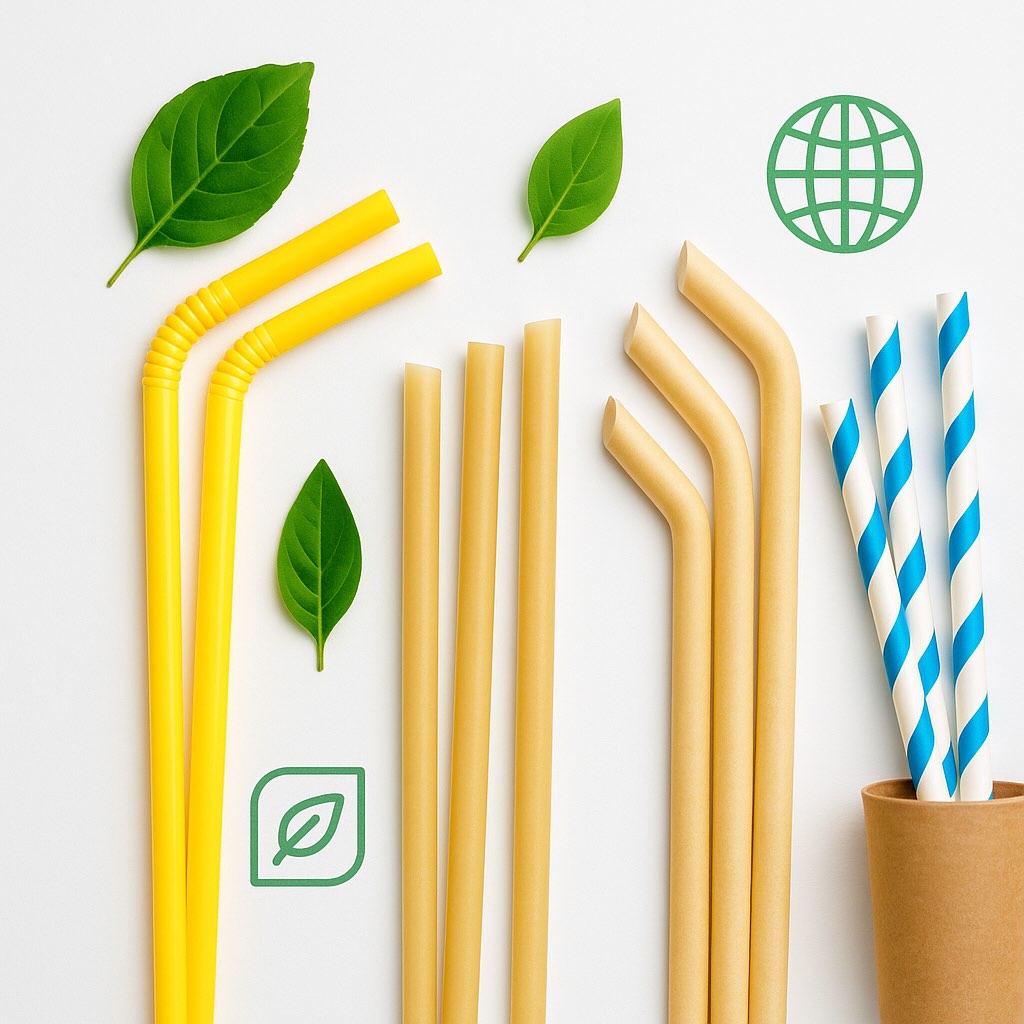
Sedotan plastik terbuat dari bahan polipropilen atau polietilen, yaitu jenis plastik berbahan dasar minyak bumi. Bahan-bahan ini tidak mahal, tahan lama, dan fleksibel, sehingga membuat sedotan plastik menjadi pilihan utama bagi industri jasa makanan di seluruh dunia. Untuk pembuatannya, plastik dipanaskan hingga meleleh, kemudian dibentuk menjadi tabung tipis dan dipotong memanjang.
Kegunaan Umum Sedotan Plastik
Sedotan plastik telah digunakan dalam industri makanan dan minuman selama beberapa dekade. Baik Anda sedang minum soda dingin di restoran cepat saji atau menikmati smoothie, sedotan plastik ada di mana-mana karena murah dan nyaman.
Dampak Lingkungan dari Sedotan Plastik
Sedotan plastik mempunyai reputasi buruk terhadap lingkungan. Bahan-bahan ini tidak dapat terurai secara hayati dan memerlukan waktu hingga 200 tahun untuk terurai. Kebanyakan sedotan plastik tidak dapat didaur ulang karena ukurannya yang kecil, sehingga menghasilkan sampah dalam jumlah besar. Selain itu, mereka sering kali berakhir di laut dan membunuh biota laut. Sedotan telah menjadi simbol dari masalah polusi plastik yang lebih besar, yang mengakibatkan pelarangan atau pembatasan di banyak tempat di seluruh dunia.
Apa itu PLA Sedotan?
Komposisi dan Proses Pembuatan
Sedotan PLA (asam polilaktat) terbuat dari sumber daya nabati terbarukan, seperti tepung jagung, tebu, atau singkong. Prosesnya melibatkan fermentasi gula dari tanaman ini untuk menghasilkan asam laktat, yang kemudian dipolimerisasi menjadi plastik PLA. Berbeda dengan plastik tradisional, PLA dianggap berbasis bio karena berasal dari sumber daya alam terbarukan.
Daya hancur secara biologis dari Sedotan PLA
Salah satu nilai jual terbesar dari sedotan PLA adalah bahwa sedotan tersebut dapat dibuat kompos, yang berarti sedotan tersebut akan terurai menjadi unsur-unsur alami (secara teori). Namun, sedotan PLA biasanya perlu dibawa ke fasilitas pengomposan industri dengan suhu tinggi dan kondisi terkendali agar dapat terurai. Di tempat pembuangan sampah biasa atau di lautan, bahan-bahan tersebut mungkin tidak terurai secepat yang Anda kira, dan ini merupakan kesalahpahaman umum yang dimiliki banyak orang.
Popularitas Sedotan PLA di Kalangan Ramah Lingkungan
Terakhir, seiring dengan tren keberlanjutan, sedotan PLA semakin populer di kalangan bisnis dan area yang berwawasan lingkungan yang ingin mengurangi jejak plastik mereka. Sekali lagi, fakta bahwa mereka dapat membuat kompos dan potensi kebingungan mengenai dampak lingkungan membuat mereka menjadi alternatif yang lebih beragam.
Dampak Lingkungan: Sedotan Plastik vs. Sedotan PLA
Sedotan Plastik dan Polusi
Sedotan plastik adalah salah satu bentuk polusi yang paling umum. Karena kecil dan ringan, mereka sering menghindari sistem pengelolaan limbah dan berakhir di laut dan membahayakan hewan. Penyu, burung laut, dan ikan biasanya memakan sedotan plastik yang mereka salah sangka sebagai makanan dan akibatnya menderita luka dalam atau mati.
Sedotan PLA dan Masalah Pengomposan
Meskipun sedotan PLA dipasarkan sebagai sedotan yang dapat terbiodegradasi, seperti disebutkan sebelumnya, sedotan ini memerlukan pengaturan khusus agar dapat terurai—di fasilitas pengomposan industri. Di lingkungan alami, mereka berperilaku seperti plastik tradisional dan tidak cepat rusak. Selain itu, sebagian besar kota tidak mempunyai kemampuan untuk mengolah sedotan PLA, sehingga banyak yang berakhir di tempat pembuangan sampah.
Daya Tahan dan Fungsi: Sedotan Plastik vs. Sedotan PLA
Kekuatan dan Performa dengan Minuman
Sedotan plastik fleksibel dan tahan lama untuk minuman dingin maupun panas. Mereka dapat digunakan dengan minuman kental seperti smoothie atau milkshake tanpa kehilangan bentuknya. Meskipun sedotan PLA lebih ramah lingkungan, namun cenderung lebih rapuh. Dalam minuman yang sangat panas, minuman tersebut dapat melunak atau melengkung, sehingga dalam beberapa kasus dapat membuatnya kurang berfungsi.
Berapa Lama Mereka Bertahan Saat Digunakan
Sedotan plastik tetap mempertahankan bentuknya saat digunakan, meski dibiarkan dalam minuman selama berjam-jam. Sedotan PLA lebih cepat berubah bentuk jika digunakan dalam cairan dalam waktu lama, terutama dalam cairan panas, sehingga kurang praktis dalam beberapa situasi.
Pengalaman Pengguna
Secara umum, sedotan plastik cenderung lebih halus dan fleksibel dibandingkan sedotan PLA. Sedotan PLA lebih kaku dan terasa sedikit lebih kaku, sehingga bagi sebagian pengguna mungkin terasa tidak nyaman. Namun, banyak orang tidak menyadari banyak perbedaan dalam penggunaan sehari-hari.
Manufaktur: Sedotan Plastik vs. Sedotan PLA
Proses pembuatan sedotan plastik dan sedotan PLA sangat berbeda karena keunikan karakteristik bahannya. Keduanya menggunakan mesin khusus, namun dengan PLA, Anda harus lebih berhati-hati dengan suhu karena sangat sensitif.
Pembuatan Sedotan Plastik
Sedotan plastik biasanya terbuat dari bahan polipropilen (PP), yaitu plastik berbahan dasar minyak bumi. PP relatif mudah untuk dikerjakan karena tidak terlalu sensitif terhadap perubahan suhu selama proses produksi. Artinya peralatan produksi yang digunakan untuk membuat sedotan plastik (a.k.a. Mesin pembuat sedotan PP) dapat bekerja dengan rentang suhu yang lebih luas. Bahan PP dilebur dan diekstrusi ke dalam tabung panjang, yang dipotong memanjang dan dikemas untuk didistribusikan. Karena prosesnya efisien dan cepat, produksi sedotan plastik dapat ditingkatkan dengan biaya rendah.
Butuh solusi produksi jerami?
Jangan menunggu lebih lama lagi. Hubungi kami sekarang untuk solusi produksi sedotan, mulai dari pembuatan sedotan hingga pengemasan akhir!
Manufaktur Jerami PLA
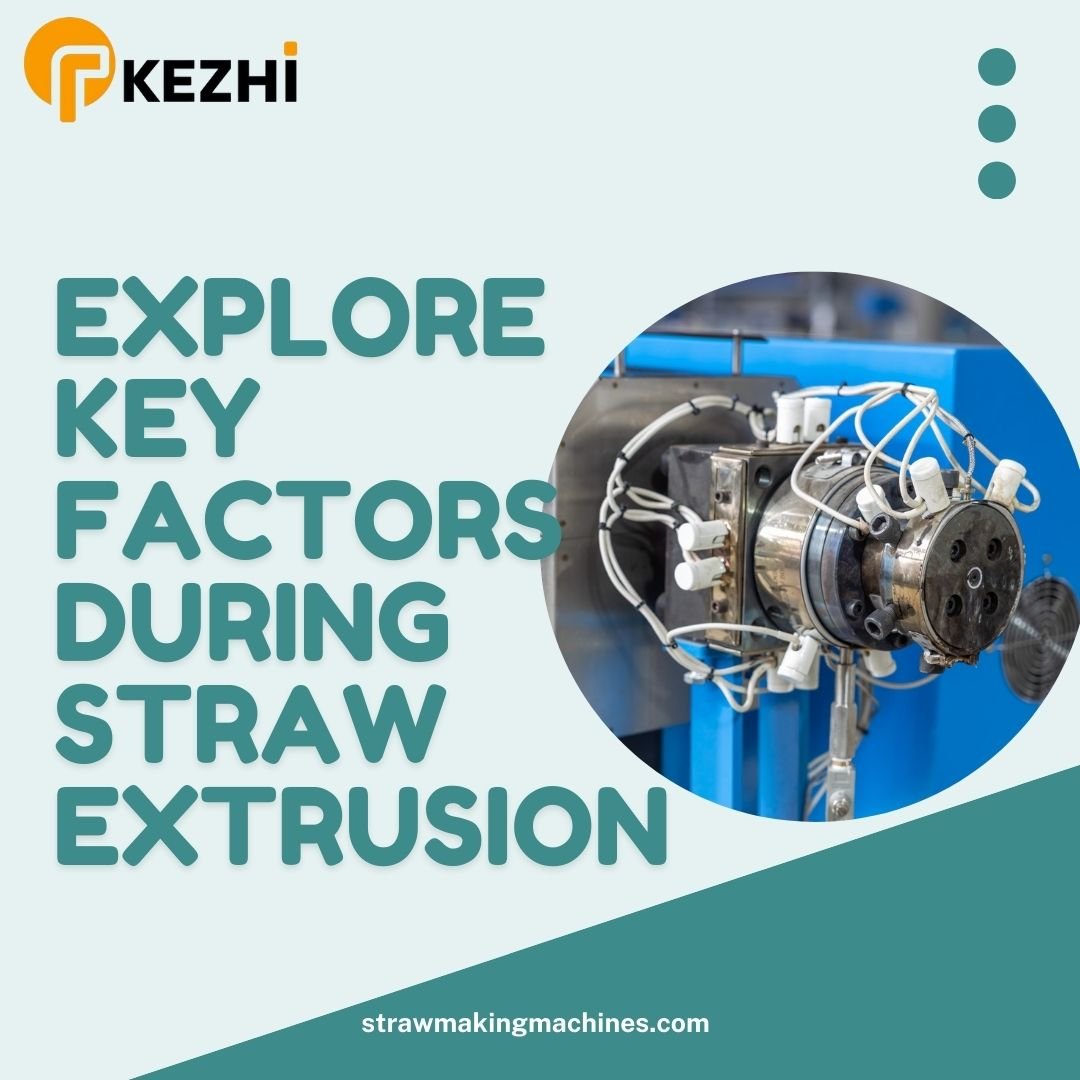
Sedangkan PLA (polylactic acid) merupakan bioplastik yang terbuat dari sumber daya terbarukan (tepung jagung, tebu, dll). Salah satu tantangan utama dalam pembuatan sedotan PLA adalah bahwa PLA jauh lebih sensitif terhadap suhu dibandingkan polipropilen. Oleh karena itu, proses produksi memerlukan kontrol suhu yang lebih ketat untuk memastikan material tidak rusak atau kehilangan integritas strukturalnya.
Untuk memenuhi kebutuhan tersebut, PMesin pembuat sedotan LA secara khusus diadaptasi dengan sistem pengaturan suhu. Mereka mengontrol tahap pemanasan dan pendinginan untuk memastikan PLA dapat diekstrusi dengan benar ke dalam sedotan tanpa merusak sifat biodegradable-nya. Karena diperlukan ketelitian yang lebih tinggi untuk membuat sedotan dari PLA, proses ini umumnya lebih rumit dan mahal dibandingkan memproduksi sedotan plastik. Selain itu, jika suhu tidak dikontrol dengan baik selama produksi PLA, sedotan Anda mungkin akan rapuh atau melengkung.
Perbandingan Biaya Sedotan Plastik dan Sedotan PLA
Biaya Produksi
Pembuatan sedotan plastik sangat murah karena harga plastik berbahan dasar minyak bumi tidak mahal, dan prosesnya sangat terukur. Proses pembuatan sedotan PLA dari bahan nabati lebih mahal. Teknologi masih terus berkembang, dan skala ekonomi belum mampu mengurangi biaya sebanyak sedotan plastik.
Penetapan Harga untuk Bisnis
Sedotan plastik masih lebih murah untuk dibeli oleh pelaku bisnis, terutama dalam jumlah besar. Harga sedotan PLA biasanya lebih mahal, sehingga dapat menjadi pertimbangan bagi bisnis makanan dan minuman bervolume tinggi seperti restoran cepat saji dan kedai kopi.
Biaya Konsumen
Konsumen akan melihat bahwa bisnis yang menggunakan sedotan PLA akan mengenakan biaya lebih banyak untuk produknya. Beberapa konsumen yang sadar lingkungan akan membayar biaya ekstra, namun bagi sebagian lainnya, terutama di tempat makanan cepat saji, hal ini mungkin sulit untuk dilakukan.
Opsi Pembuangan dan Daur Ulang
Pembuangan Sedotan Plastik
Sedotan plastik tidak dapat didaur ulang karena ukuran dan bentuknya, sehingga sulit untuk disortir di fasilitas daur ulang. Oleh karena itu, mereka biasanya berakhir di tempat pembuangan sampah atau sebagai sampah. Waktu penguraiannya yang lama berarti merupakan tantangan lingkungan jangka panjang.
Pembuangan Sedotan PLA
Sedotan PLA dapat dibuat kompos; namun, mereka harus pergi ke fasilitas industri yang dapat memenuhi persyaratan tertentu agar hal tersebut dapat terwujud. Pengomposan di rumah tidak akan menguraikannya dengan baik, dan dalam banyak kasus, sampah tersebut berakhir di aliran limbah biasa. Karena sebagian besar fasilitas pengomposan kota tidak dapat menangani PLA, banyak sedotan PLA yang berakhir di tempat yang sama dengan sedotan plastik.
Mana yang Lebih Mudah Dibuang?
Baik sedotan plastik maupun sedotan PLA tidak mudah dibuang dengan benar. Meskipun sedotan PLA dapat dibuat kompos, kurangnya infrastruktur membuat Anda tidak dapat memanfaatkan potensi manfaat tersebut. Pada akhirnya, proses pembuangan menjadi sulit untuk kedua jenis sedotan tersebut.
Masalah Kesehatan dan Keselamatan
Sedotan Plastik dan Potensi Masalah Kesehatan
Beberapa orang khawatir sedotan plastik akan mengeluarkan bahan kimia, seperti BPA, saat dipanaskan. Kebanyakan sedotan plastik yang dibuat saat ini bebas BPA, namun tetap dapat menimbulkan masalah kesehatan jika terurai.
Sedotan PLA dan Keamanan Pangan
Sedotan PLA umumnya dianggap aman untuk digunakan pada makanan karena terbuat dari bahan nabati. Namun, bahan tersebut dapat melunak pada makanan panas, yang berpotensi menyebabkan kontaminasi jika sedotan berubah bentuk.
Ketersediaan dan Penggunaan di Pasar
Dimana Sedotan Plastik Masih Digunakan?
Sedotan plastik masih banyak digunakan di berbagai belahan dunia, terutama di restoran cepat saji dan tempat layanan bawa pulang, meskipun semakin banyak larangan dan peraturan. Namun, banyak negara dan wilayah yang mencoba menghilangkannya sepenuhnya.
Dimana Sedotan PLA Digunakan?
Sedotan PLA menjadi lebih populer di tempat-tempat yang ramah lingkungan. Mereka umumnya dapat ditemukan di kafe, restoran, dan tempat-tempat yang fokus pada keberlanjutan. Semakin banyak bisnis yang mulai menggunakannya, namun penggunaannya masih belum sepopuler sedotan plastik.
Masalah Rantai Pasokan untuk Keduanya
Sedotan plastik mudah diproduksi dan didistribusikan karena rantai pasokannya sudah terjalin dengan baik. Sedotan PLA dapat menimbulkan lebih banyak masalah pada rantai pasokan karena produk ini lebih baru di pasar dan permintaan akan alternatif ramah lingkungan semakin meningkat.
Masa Depan Sedotan: Plastik vs. PLA
Dampak Lingkungan Jangka Panjang
Dalam dekade mendatang, akan ada tekanan yang lebih besar untuk mengurangi sampah plastik. Meskipun sedotan PLA bukanlah solusi sempurna, namun ini merupakan langkah tepat menuju praktik yang lebih berkelanjutan. Ada kemungkinan bahwa inovasi pada bahan-bahan yang dapat terbiodegradasi akan memperbaiki dampak penggunaan jerami terhadap lingkungan, namun perubahan sistemis yang lebih besar dalam pengelolaan limbah dan kebiasaan konsumsi masih diperlukan.
Jerami Mana yang Lebih Baik untuk Masa Depan Berkelanjutan?
Saat membandingkan sedotan plastik dengan sedotan PLA, tidak diragukan lagi sedotan PLA merupakan pilihan yang lebih ramah lingkungan. Namun, karena tantangan pengomposan dan pembuangan, tidak ada pilihan yang bebas dari kesulitan. Pada akhirnya, beralih ke pilihan yang dapat digunakan kembali atau memperbaiki infrastruktur pengomposan adalah cara terbaik untuk mengurangi limbah terkait jerami di masa depan.
Kesimpulan
Sedotan plastik dan sedotan PLA memiliki kelebihan dan kekurangannya masing-masing. Sedotan plastik lebih tahan lama, lebih murah, dan lebih mudah didapat dibandingkan sedotan PLA, namun dampaknya terhadap lingkungan sangat besar. Sedotan PLA, meskipun lebih baik bagi planet ini dalam keadaan yang tepat, masih memiliki masalah dalam hal kemampuan terurai secara hayati dan biaya. Jawaban terbaik bagi dunia usaha dan konsumen mungkin bergantung pada masing-masing kasus penggunaan, namun upaya untuk menggunakan sedotan yang dapat digunakan kembali dan mendorong pengurangan penggunaan sedotan mungkin merupakan solusi yang paling berkelanjutan.
FAQ
Apakah sedotan PLA dapat terurai secara hayati?
Sedotan PLA dapat terurai secara hayati, tetapi hanya di fasilitas pengomposan industri, yang tidak tersedia secara luas di sebagian besar tempat.
Mengapa sedotan plastik buruk bagi lingkungan?
Sedotan plastik tidak terurai selama ratusan tahun dan berkontribusi signifikan terhadap polusi di laut, sehingga membunuh satwa liar dan merusak ekosistem.
Bisakah saya membuat kompos sedotan PLA di rumah?
Tidak, Anda tidak bisa membuat kompos sedotan PLA di rumah; mereka membutuhkan fasilitas pengomposan industri dengan suhu tinggi agar dapat terurai dengan baik.
Berapa lama sedotan plastik terurai?
Sedotan plastik membutuhkan waktu hingga 200 tahun atau lebih untuk terurai sepenuhnya. Selama masa ini, mereka terurai menjadi mikroplastik yang lebih kecil, yang bertahan di lingkungan dan menimbulkan ancaman signifikan terhadap satwa liar dan ekosistem.
Apakah sedotan PLA lebih baik bagi lingkungan dibandingkan sedotan plastik?
Ya, sedotan PLA secara teori lebih baik bagi lingkungan karena terbuat dari sumber daya terbarukan dan dapat dibuat kompos. Namun, sedotan plastik memerlukan fasilitas pengomposan industri agar dapat terurai dengan baik, dan di lingkungan alami seperti tempat pembuangan sampah atau lautan, sedotan plastik mungkin tidak terurai lebih cepat dibandingkan sedotan plastik.
Bisakah sedotan PLA didaur ulang?
Sedotan PLA tidak dapat didaur ulang dalam sistem daur ulang plastik tradisional. Plastik ini dapat dijadikan kompos di fasilitas pengomposan industri, namun tidak dapat diproses melalui program daur ulang konvensional karena memerlukan penanganan yang berbeda dibandingkan plastik berbahan dasar minyak bumi.
Apa jadinya jika sedotan PLA berakhir di laut?
Jika sedotan PLA berakhir di laut, sedotan tersebut tidak akan terurai secepat jika berada di fasilitas pengomposan industri. Mirip dengan plastik, plastik dapat bertahan lama di lingkungan laut, dan dampaknya terhadap kehidupan laut masih dalam penelitian.
Mengapa sedotan plastik masih banyak digunakan padahal berbahaya bagi lingkungan?
Sedotan plastik masih banyak digunakan karena murah, mudah dibuat, dan memiliki ketahanan yang konsisten baik pada minuman panas maupun dingin. Terlepas dari dampaknya terhadap lingkungan, kenyamanan dan efektivitas biaya dari sedotan plastik membuat penggunaan sedotan plastik sulit untuk dihilangkan secara bertahap di banyak industri, meskipun larangan dan pembatasan menjadi lebih umum.